20 Questions for 20 Years with Sir Donald Runnicles
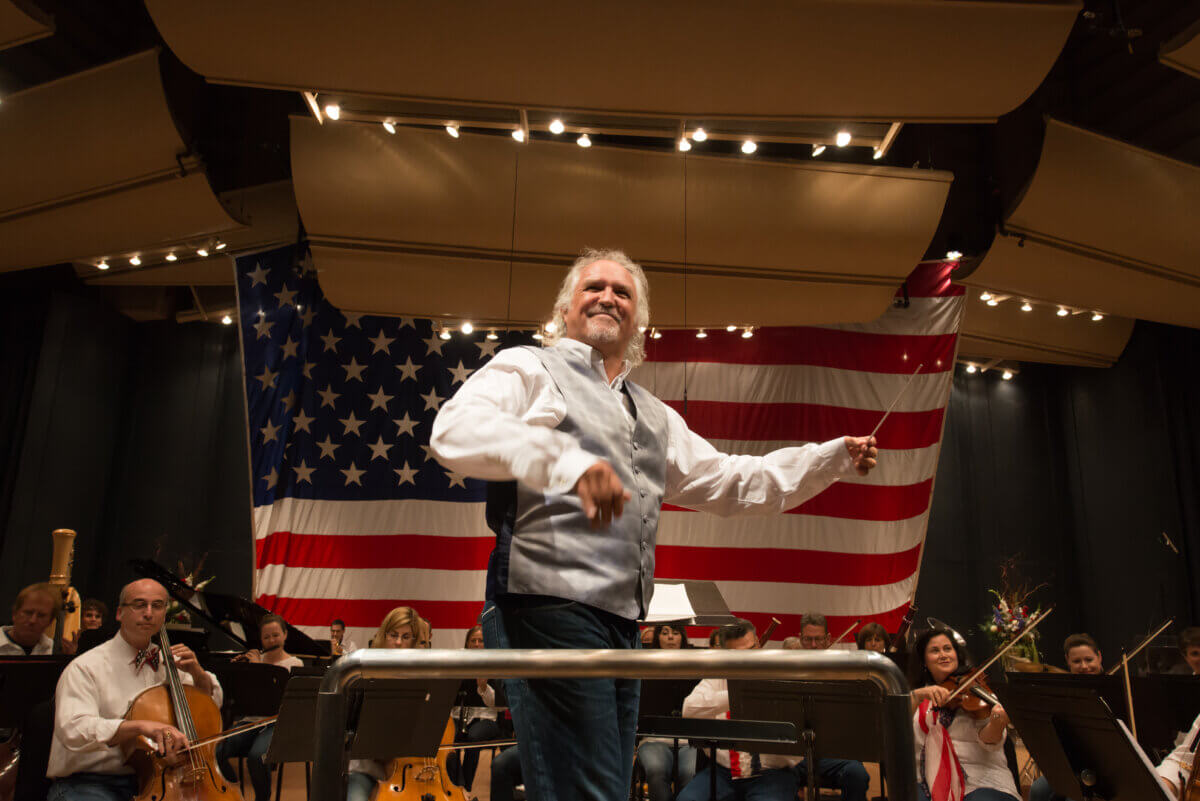
Two decades can feel like a lifetime — or like the opening movement of a beautiful partnership still unfolding. The Grand Teton Music Festival is proud to celebrate two decades with Sir Donald Runnicles at the helm as Music Director. As we honor 20 years of his visionary leadership, we reflect on a tenure that has not only shaped the artistic identity of the Grand Teton Music Festival, but also deepened our connection to audiences, musicians and the extraordinary landscape we call home. General Manager Jeff Counts sat down with Sir Donald to mark this momentous anniversary.
Watch the video version of this interview here
Jeff Counts: What was your first impression of Jackson Hole?
Sir Donald Runnicles: I was very lucky the very first time I came to Jackson Hole. Lucky to be coming to Jackson Hole, and lucky to be on the right side of the aircraft. As so many people have experienced, the view of the Tetons to your right flying in – it was a little after sunset – it was just so truly awesome. And that was my very first, and incredibly lasting, impression.
JC: Looking back, what specific past Grand Teton Music Festival performances stand out the most to you?
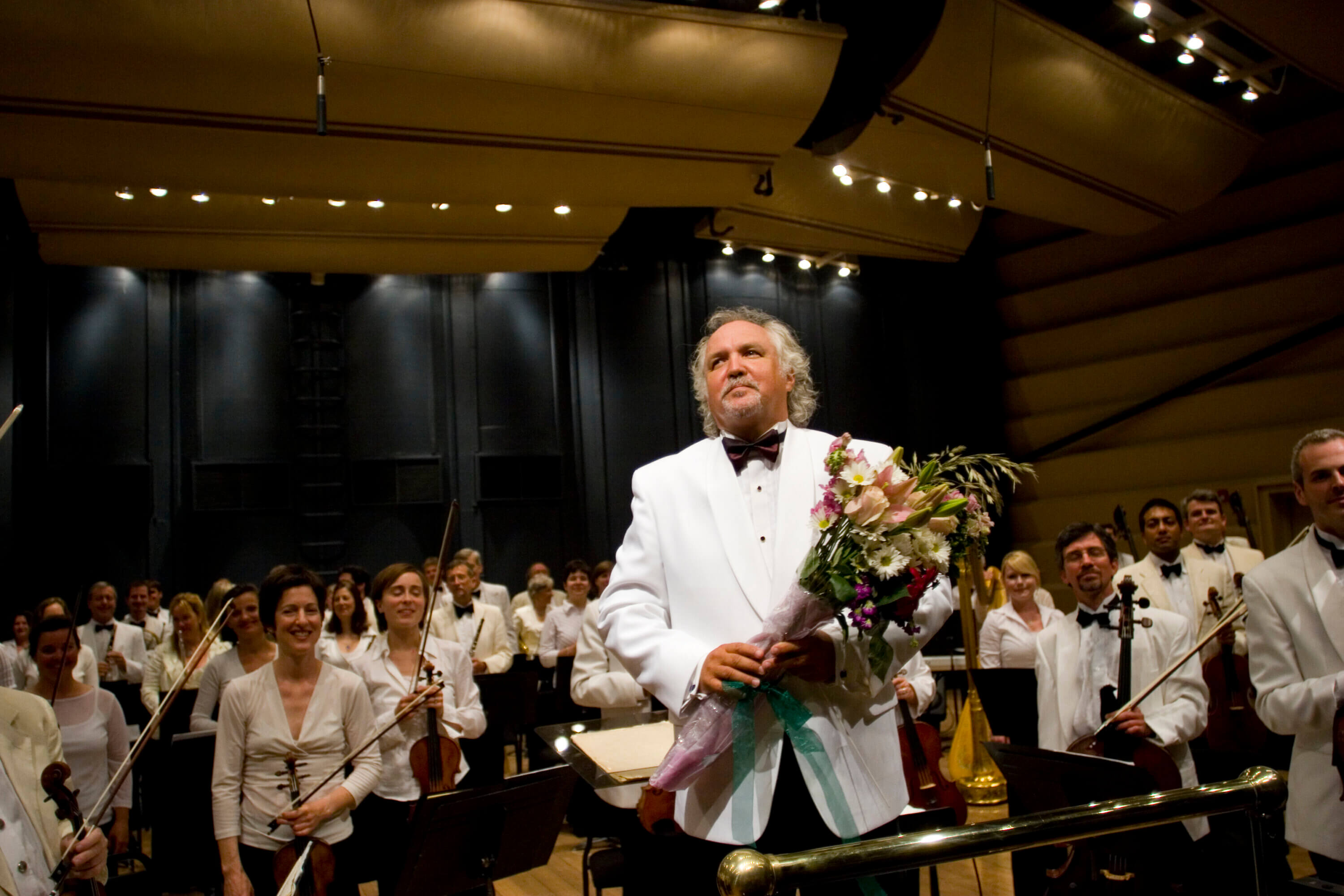
DR: I like to think every performance is, in its own way, a highlight and therefore a special performance. It feels almost unfair to grade them. I would say, stand-out performances for me were when you do a Mahler 3, when you do a big Brahms symphony – those are all highlights. I would also say the first concerts with those artists that have come to be family here. Great, world-class artists who take time out of their very busy schedules to come here – I’m thinking about the first performances with Augustin [Hadelich], James Ehnes, Yefim Bronfman. Retrospectively, the bonds between them and the orchestra, audience and community – that’s been something quite wonderful to behold. And of course, it’s not too shabby to have established such a relationship with Yo-Yo Ma, who I know loves to be here.
JC: What’s your favorite behind-the-scenes GTMF memory?
DR: Well, this may surprise some people when talking about favorite behind-the-scenes moments because this was quite a cliffhanger. It was quite a few years ago. Mezzo-soprano Susan Graham was here to sing Les nuits d’été by Hector Berlioz, and her first appearance in Jackson Hole coincided with the cottonwood trees going crazy. She got such allergies that in the first rehearsal, she was coughing. By the second rehearsal, it was clear. She said, “Donald, I can’t do this.” So what do you do? We’re in Jackson Hole, Wyoming – who on earth could we bring in to substitute for Susan? We found out that Michelle DeYoung was on holiday, camping up in the Pacific Northwest. We got in contact with her, and we found that she was willing to come. Then the question was – how do we get her here? I spoke with Allan Tessler, a cherished member of the GTMF family and a former board chair, and Allan said, “I’ll fly her!” He flew to the area where she was camping and brought Michelle in. What made this also very exciting behind-the-scenes was that these songs can be sung in many keys, according to if you’re a mezzo or a soprano. Well, of course, Michelle didn’t sing in the same keys as Susan, so our glorious and indefatigable librarian Cro Duplantier spent his night rewriting these songs so that the orchestra could actually perform in the keys that Michelle could sing. It was a real effort on behalf of the entire orchestra and the librarian. When Michelle walked on stage, there was such an ovation because she saved the show. She got into the third or fourth song, and midway through the song, she stopped, looked round to me and said, “Donald, I am so sorry, but I just can’t sing anymore.” The audience spontaneously burst out into rapturous applause because this woman had saved the day and was succumbing to the same thing to which Susan had succumbed. That was quite a unique behind-the-scenes experience.
JC: Do you have a pre-concert ritual?
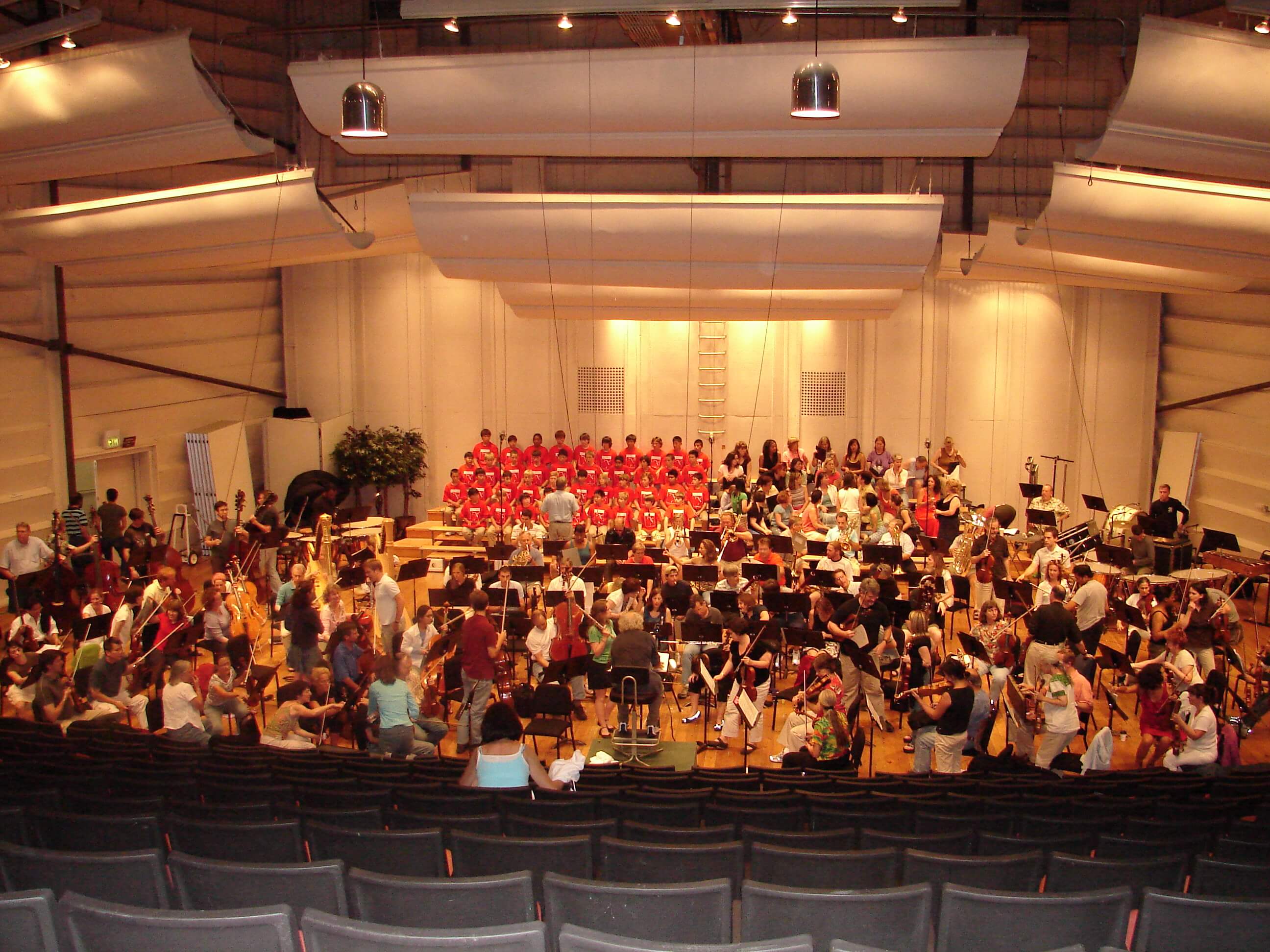
DR: When it comes to pre-concert rituals, there are some things I can tell you, some things I shouldn’t! Seriously though, there’s no real ritual. Very often on the day of a Friday concert, we already have the rehearsal in the morning, which is quite intense. I’ll have a glorious salad in one of a number of great restaurants here in Jackson Hole and I will try and get an hour nap to be fresh and in the best possible state of mind for the concert.
JC: What does a day off in Jackson Hole look like for you?
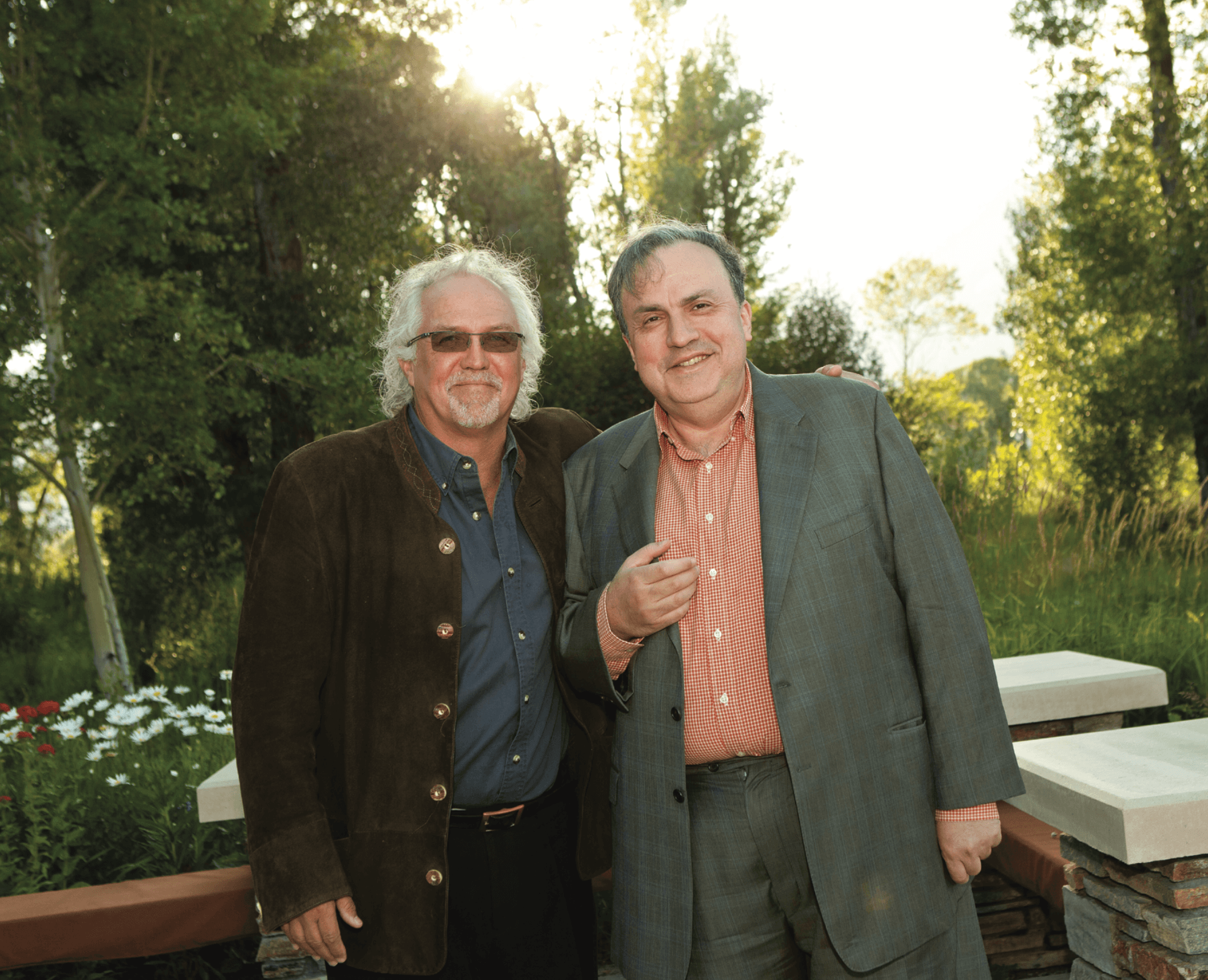
DR: A day off in Jackson Hole is something rare to non-existent. It’s very rare that I really have a complete day off, particularly during the Festival. Of course, there are always a variety of meetings, or you’re meeting audience members, you’re spending time with the guest artists. If I do get some time off, one of those days is invariably spent on the bike. In the winter, it’s spent on skis, walking or cross-country skiing with my wife Adelle or my friend Jeff Counts. As for so many people here, I just adore the sporty side of Jackson. It’s such a tangible thing – sport, skiing, tennis – an antidote to the utterly intangible world of performing music.
Favorite summer activity in JH?
Tennis and great concerts.
Favorite winter activity in JH?
Skiing and great reading in front of roaring log fires.
Favorite Jackson Hole bite to eat?
Sushi.
Favorite Jackson Hole hike?
The Wildflower Trail.
Favorite view of the Tetons?
There are no bad views of the Teton mountains.
Composer you are most excited about right now?
Gustav Mahler.
Favorite piece to play at the keyboard?
La valse by Maurice Ravel.
Favorite non-classical artist(s)?
Shirley Horn, Ella Fitzgerald, Enya.
One book everyone should read?
Theo of Golden by Allen Levi.
Describe GTMF in one word.
Paradise.
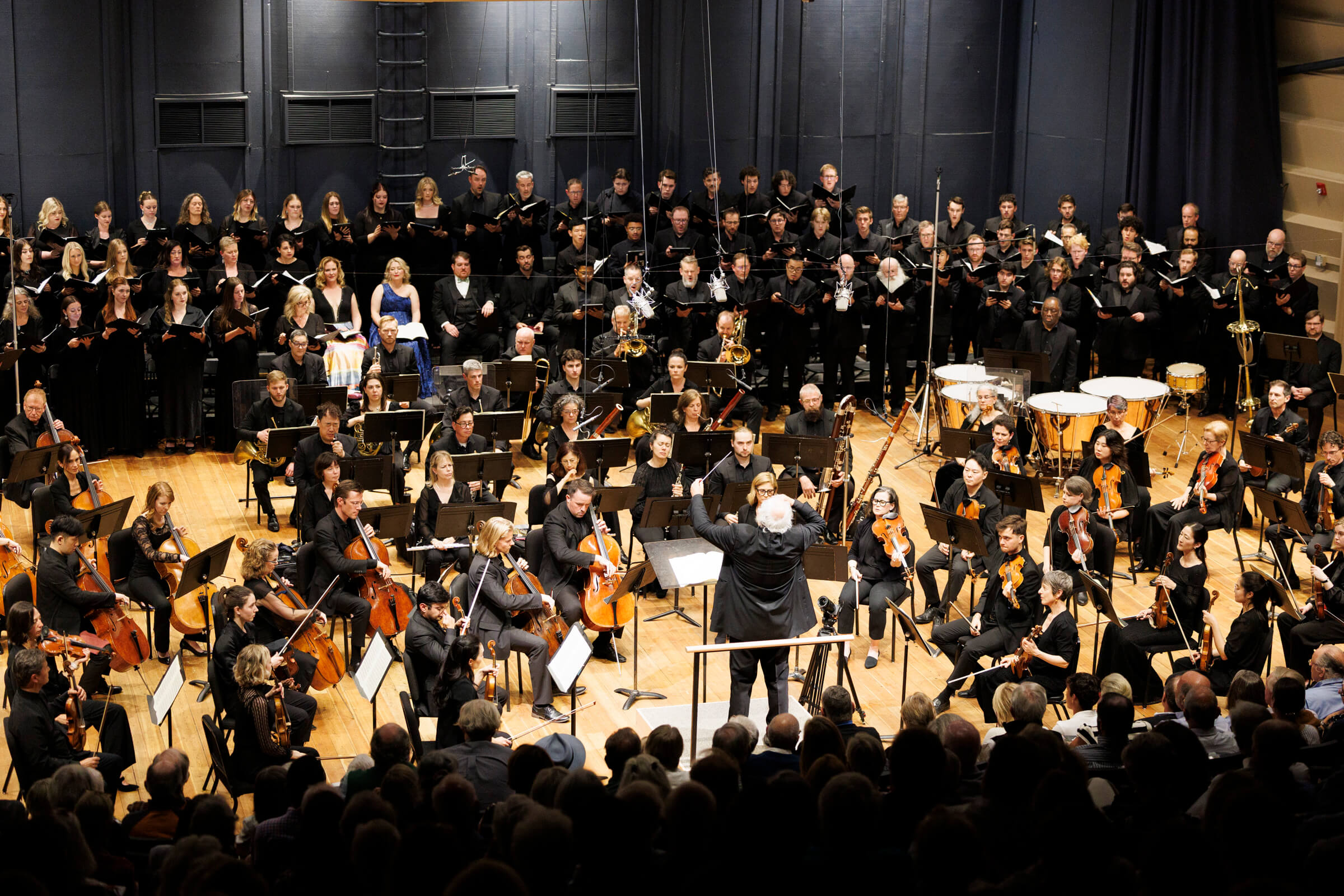
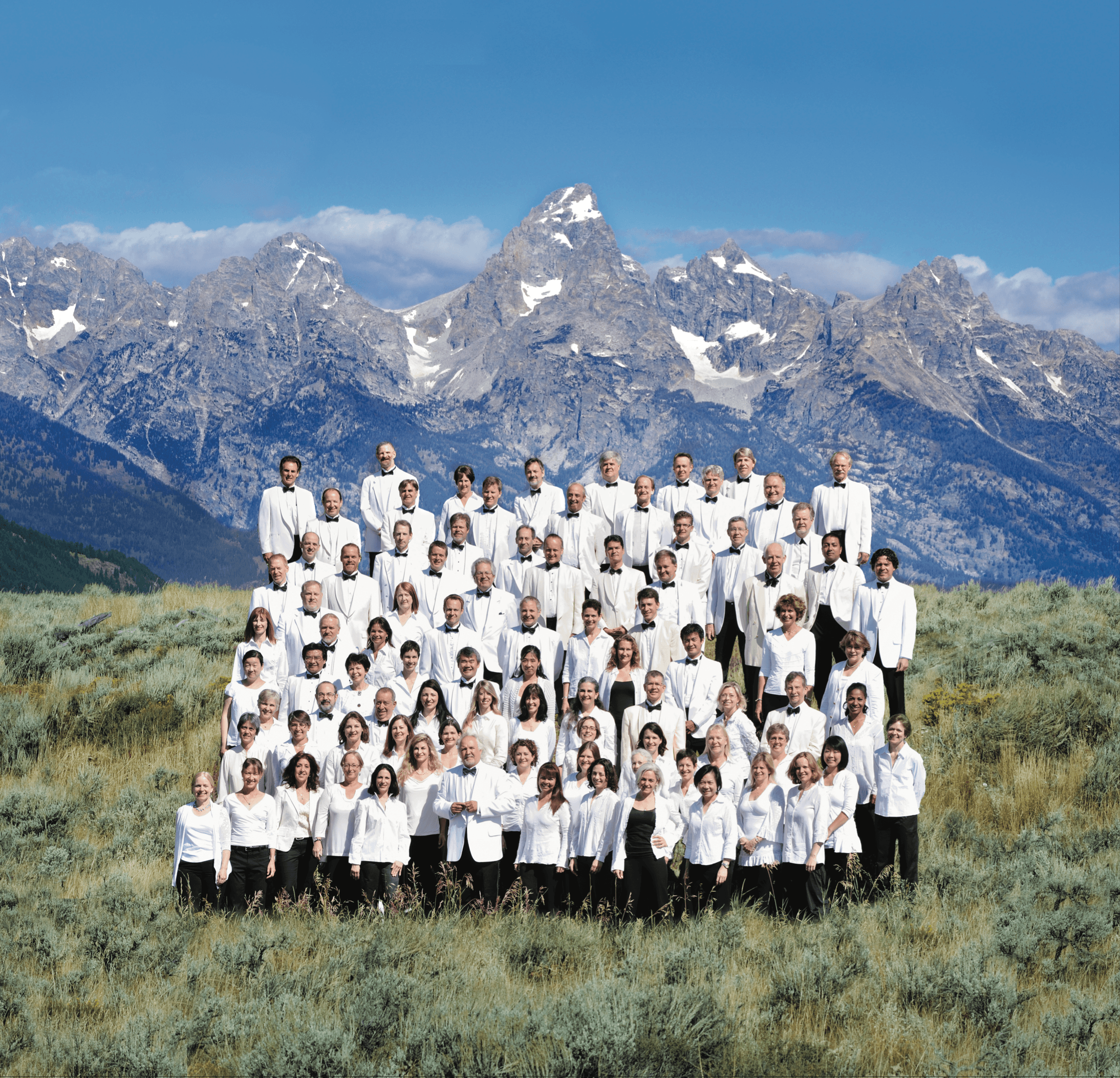
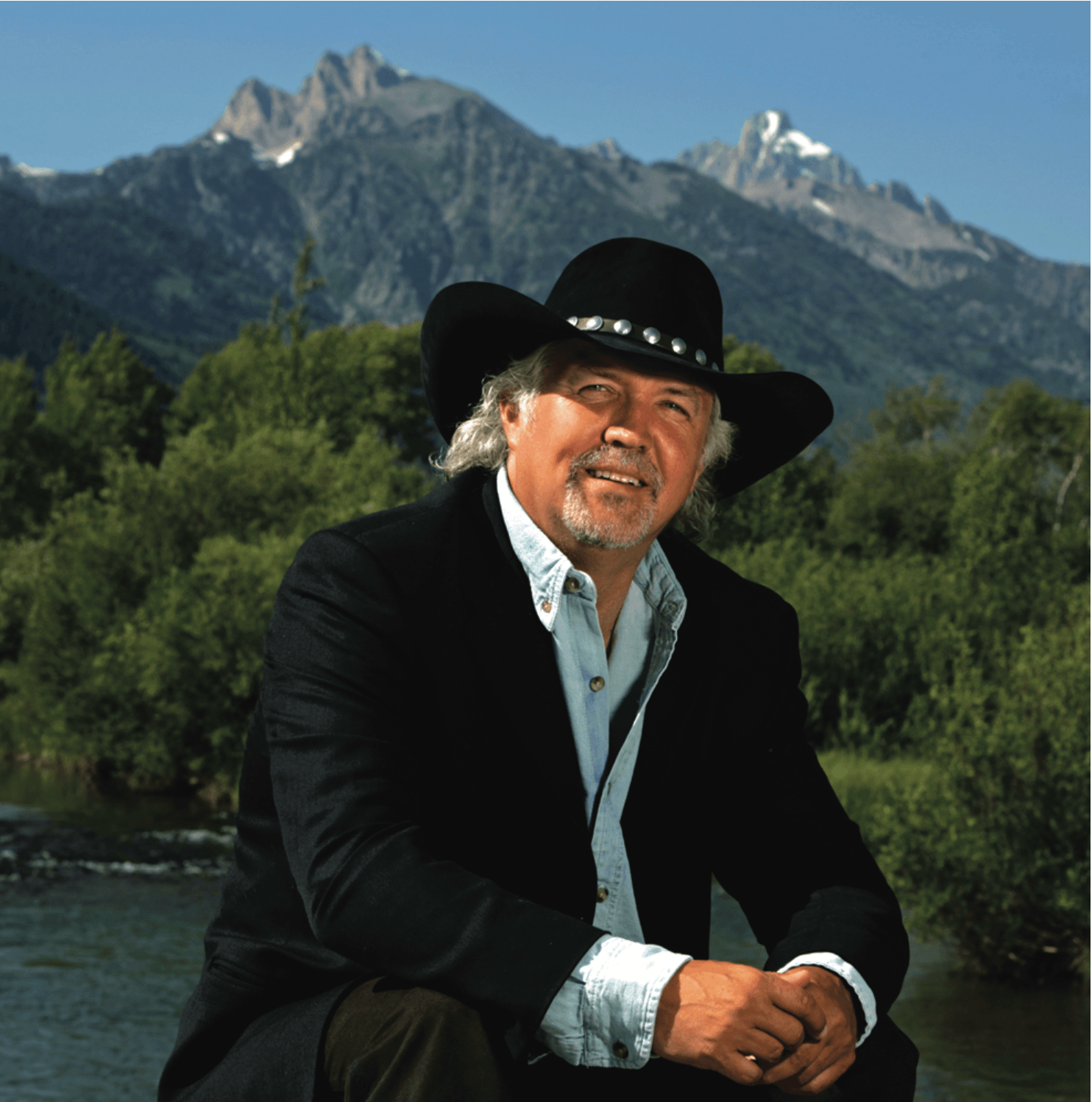
JC: How has GTMF transformed since 2006?
DR: I often reflect on where the Festival has come since I first came in 2006 and where we find ourselves 20 years later. In 2006, the orchestra was already just quite extraordinary. I sensed very much from the search committee and the orchestra itself that they wanted to go to the next level, and that involved my approach to making music, my connections, the artists with whom I work that I would be eager to bring here and who might come because of me. And I think that, for all the enthusiasm and the support I received when I first came here, there was sometimes a “watch what you wish for” mindset in terms of taking the Festival to the next level. I’m very proud of the fact that 20 years on, not only have we gotten over this initial reluctance to let this Festival grow too quickly, we’ve evolved to “why can’t we move more quickly?”
These musicians are all musicians in phenomenal orchestras or institutions back home. Why do they spend their summers here when they could be hiking somewhere else or having proper vacations? No, they want to be here because – I’ve used this term quite often – they renew their vows here, and we’re now in a position where the word is out. The genie is out of the bottle. The fact that we are recording now, the fact that there’s such support for more recording, so that you will talk about the Grand Teton Music Festival not just in a local sense or a national sense, but really quite internationally – nothing could make me more proud.
JC: What does GTMF & the Festival Orchestra mean to you today?
DR: I’m very fortunate to travel the world and work with great musicians, great opera companies, great symphony orchestras. There are so many great experiences that I cherish. I will, however, always know what the highlight of my year is. It’s this two-month Festival. Because of the music, the level of excellence, the extent to which these musicians are prepared to check their egos at the door. We have all these phenomenal players, and they’re not jockeying with one another. I still marvel at the speed with which this orchestra becomes such a homogeneous performing group. It’s a wonderful community, and I cherish the depth of the relationship between myself and the hundreds of musicians who return, not just faithfully but enthusiastically, to take part in something that is unique and rare.
JC: After each summer season ends, what do you take with you into the rest of your year?
DR: Many athletes come from all over the world specifically to Jackson Hole, to the Tetons, to work on their endurance, strength and all the things that they know give them even more chance to be competitive. That, in some ways, is a little like what happens with the musicians and with me when I leave at the end of the Festival. I know that I’m healthier. I know that there are more red blood cells in my body. I know that, having spent the summer here, just on a physical level, I go to sea level and I feel superhuman. All that is also a metaphor for the music making at this level, both literal and figurative. What we achieve here, what guest artists and guest conductors achieve here, is unique. The energy is palpable. And with that, we are let loose again on the world and we return to other organizations stronger, even more idealistic, even more inspired to take what we have felt and learned here and let it inform what we’re doing in our respective organizations. It’s such a tonic. It’s the best.
JC: What are your hopes for GTMF’s future?
DR: It is my fervent wish that, as we have been given this privilege and pleasure to protect, nourish and nurture this incredible Festival, that through our efforts, we have secured the future of the next 50 years. That there are people who have not yet been born who will hear about the Grand Teton Music Festival, whether it’s audience members, orchestral players or young people just learning their instruments. That the Grand Teton Music Festival will be this beacon of excellence, a beacon in the community, and that we have secured the future of this extraordinary organization.
JC: Anything you would like to say to the Grand Teton Music Festival audience directly?
DR: I would say, first and foremost, a deeply felt thank you. Thank you for your trust. More than anything, thank you for your enthusiasm. There are many other things you might want to be doing in Jackson Hole during the summer. Thank you for turning up. Thank you for trusting the Grand Teton Music Festival and its vision. We fill our concerts with the familiar, but also with the unfamiliar. The fact that our audience still turns up, even though they may not have heard of composers on a specific program, it’s a feeling of, “Well, if it’s good enough for Runnicles and these incredible musicians, then it’s good enough for me.” Thank you also for reaching out to many of these extraordinary musicians. You have given all these musicians the feeling of a second home. That is quite extraordinary and very moving. Thank you for spreading the word. Thank you for supporting us, not just through your presence, but also by encouraging others to attend through your extraordinary financial generosity, bringing us to the point where we can transform this miracle of a hall, Walk Festival Hall. Without you, the audience, we would still be a Festival of aspirations. I think the fact that so many dreams have come true has so much to do with our remarkable audience.