“Chambergrass” and beyond: Kittel & Co crafts a genre-bending acoustic sound – KHOL 89.1 FM
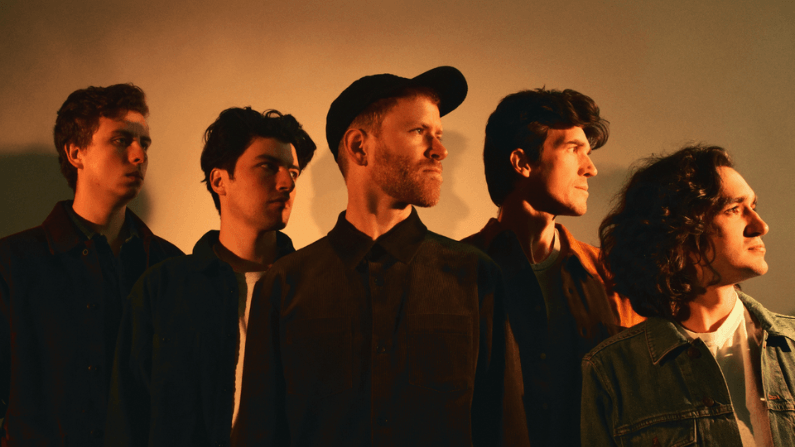
From Aphex Twin to Bach, the sound of Kittel & Co embraces tradition and experimentation.
As multi-instrumentalist Jeremy Kittel’s latest project, few bands have the technical prowess and innovative spirit in the realm of acoustic music. Equal parts classical and bluegrass, the quintet moves seamlessly through tightly arranged sections and whimsically improvised passages. Offstage, the group attributes that balance to a deep well of musical influences and a shared commitment to making music that resonates with audiences across the globe. The band recently stopped by KHOL to chat and perform a pair of tunes ahead of their Jackson debut next door at the Center for the Arts auditorium.
This interview has been edited for length and clarity. – Ed.
Evan Ballew: Your music blends all these different sounds together [Folk, Celtic, Classical. – Ed.]. Was this hybrid sound something intentional from the beginning or did it evolve naturally as you guys start playing together?
Jeremy Kittel: I’d say, if we had to answer one way or the other, probably mostly natural and that’s what we try to aim for as well. That’s just how it is when you have a lot of different influences and you want to make music that seems the most powerful to you. They all kind of come together and that’s one of the magic parts about trying to make art – that’s what we strive for.
Josh Pinkham: Jeremy’s a master of many genres. He breathes jazz, and he breathes classical, and he breathes Celtic. So it comes naturally to him.
EB: People have described your guy’s music as “chambergrass.” Do you accept that label for your sound or does it miss something?
JK: I think that’s a pretty good label. There’s not really a completely settled upon term for this kind of music and there’s a number of different bands and projects out there that take this acoustic realm of these instruments, whether they’re bluegrass instruments or adjacent. There’s real chamber quality to a lot of what we do.
EB: Now, your music, to the same effect, feels rooted in tradition, but it’s also very progressive at the same time. Are there any particular styles or artists you find yourselves returning to for inspiration?
JK: So many different influences. If we’ve got a long van ride in between gigs, we’ll put on anything from jazz to classical to hip-hop to different kinds of pop music.
JP: A lot of Aphex Twin.
JK: It really could be all over the map. Ambient stuff. We’re inspired by a lot of giants in the acoustic music scene, too. One of my favorite acoustic musicians is Edgar Meyer [bassist and composer. – Ed.] and he’s done some amazing projects. The Goat Rodeo Project is one really high water mark. Chris Thile is a friend of the band and an amazing musician and doing so many things with amazing projects. So, I’d say [we’re] all over the map with music and all the different styles, but also definitely we love a lot of this acoustic music being made.
EB: Brings it all home and it’s music of the people, the folk, at the end of the day.
JK: Yeah, there is actually a really great community vibe to it especially to the traditional stuff as well where you’re kind of playing melodies. It’s very communal and there’s a soul to that that’s really beautiful.
EB: Is there any piece of music or just a style that has recently stopped you and made you think differently about your own playing?
Quinn Bachand: This morning I was listening to “Johnny cash hurt type beat” by Dean Blunt. That was cool.
JP: I’ve been really into Aphex Twin and it’s affected my playing in terms of how to make things without them being too loud or too different tonally, locking in rhythmically in really interesting ways.
Jacob Warren: Recently I’ve been getting into this amazing violist from the early 1900s named Rebecca Clarke. I’ve always really enjoyed her music, but I’ve started actually transcribing some of the stuff she wrote for viola for bass. And so that’s been really rewarding. We’re talking about people that bring together many genres, like the influences that she used in her writing. For instance, this piece I just recorded is very heavily based on Debussy, but it’s just so unique that it sort of transcends that. Sometimes you exist in that ground where you’re clearly copying, and then sometimes you flip it and it suddenly becomes something new. It’s interesting to feel like, why does that feel so distinct?
Simon Chrisman: I got a bunch of tapes for my old Volvo and I was just listening to some old Peter Gabriel tapes and also trying to learn the not-double versions of the B minor Sonata from Bach. Trying to figure that out from this Gidon Kramer record. It’s weird to try to get those quadruple, triple stops on the dulcimer, but doing my best.
EB: Y’all’s arrangements are super intricate, but your performances feel really alive and dynamic. How much room do you typically leave for improvisation in a live show?
JK: There’s a lot of room. There’s some parts of the music that are clearly solo sections and then there’re other parts that are kind of a bit more blurry where somebody will come up with a new part and that turns into something that changes and fluctuates. But one of the things I love about playing with every musician in the band so much is keeping that sense of spontaneity and love for music always central, too. Not to get too lofty and zoom out too far, but [we’re] really trying to be artful and entertaining. That’s my favorite music most of the time.
EB: When people come to your shows and they walk away, is there anything you hope that they carry with them when they leave?
JK: The thing personally that’s the most meaningful to me is when people come to a show and they say, ‘I had a really, truly bad day or week or month or year’ and that it really changed their entire disposition and their entire feeling about life. When you hear something like that it doesn’t happen every time obviously but that’s really really rewarding and what music is all about.
Listen to the full performance and interview here.
read the full story